
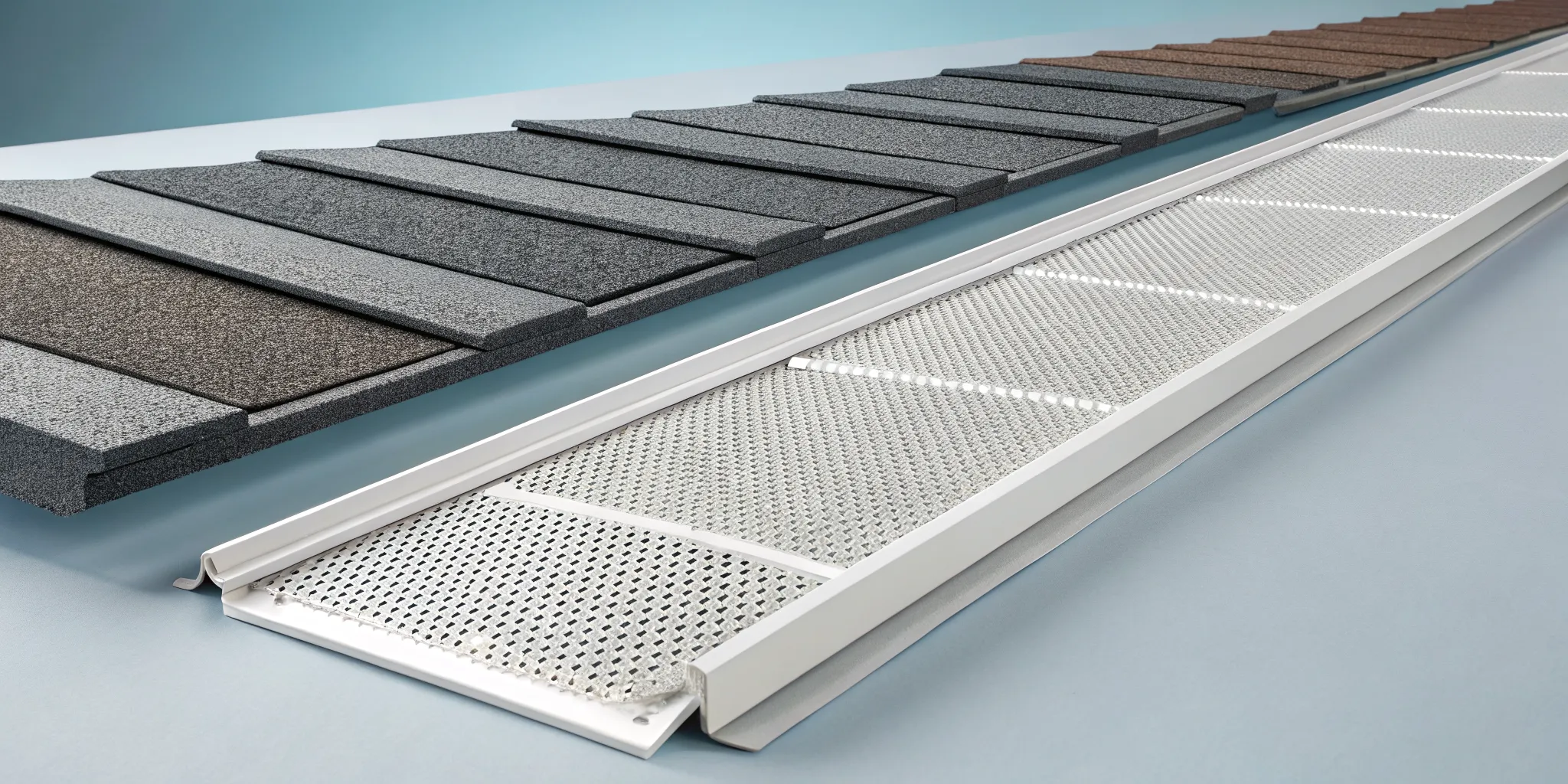
Living in Central Texas means dealing with a unique set of challenges for our homes. It’s not just about handling big leaves; it’s about battling fine oak pollen, pesky pine needles, and the shingle grit that bakes off our roofs in the summer sun. During a sudden downpour, all that fine debris can turn into a thick sludge that clogs your gutters instantly. Many generic, off-the-shelf guards simply can’t handle these specific conditions. This guide is written for Texas homeowners. We’ll focus on what truly works in our climate, from materials that won’t warp in the heat to designs that can handle torrential rain, helping you find the best gutter leaf guards for your property.
Key Takeaways
- Match the Guard to Your Debris: The best gutter guard for your home directly depends on the trees in your yard. For the fine pine needles and oak pollen common in Texas, a micro-mesh system is most effective. Simpler foam or brush guards often struggle with this small debris, leading to the very clogs you want to prevent.
- Installation Is as Important as the Product: A professional installation does more than just save you time on a ladder; it protects your home. Pros use durable materials that withstand Texas heat without warping and know how to install guards without voiding your roof warranty, ensuring the system works correctly for years.
- Aim for Low-Maintenance, Not No-Maintenance: No gutter guard completely eliminates upkeep. A quality system turns a difficult chore into a simple task, like occasionally brushing leaves off the top. The true value is in the long-term protection of your home's foundation from water damage, making it a smart investment in your property.
What Are Gutter Guards? (And Do You Really Need Them?)
Let's start with the basics. Gutter guards are protective coverings that fit over your existing gutters. Their job is simple: to block leaves, pine needles, twigs, and other debris from getting in and creating clogs. When your gutters are clear, rainwater can flow freely away from your house. This is crucial for protecting your roof, siding, and most importantly, your home's foundation from costly water damage.
So, do you actually need them? If you’re tired of climbing a ladder multiple times a year or you live in an area with a lot of trees (hello, Central Texas!), they can be a game-changer. They drastically cut down on the frequency of gutter cleanings and give you peace of mind during a heavy downpour. Instead of worrying about clogs and overflows, you can trust that your gutter system is doing its job.
But here’s the honest truth: no gutter guard is completely maintenance-free. While they stop the big stuff, smaller particles like shingle grit and tiny bits of leaves can sometimes slip through and build up over time. Think of them as a low-maintenance solution, not a no-maintenance one. Even the best gutter guards on the market will require a quick inspection now and then to make sure they’re working as they should. Ultimately, investing in gutter guards is about weighing the upfront cost against the long-term benefits of fewer cleanings and better protection for your home.
Breaking Down the 5 Main Types of Gutter Guards
Gutter guards are not a one-size-fits-all solution. The market is full of options, and what works for your neighbor might not be the best fit for your home. The right choice depends on the specific challenges your property faces, like the type of trees dropping leaves, the intensity of rainfall in your area, and how much time you want to spend on maintenance. Understanding the fundamental differences between the main types of guards is the first step toward making a smart investment in your home's protection. It’s about finding the sweet spot between effectiveness and your budget.
From high-tech micro-mesh screens to simple foam inserts, each type offers a unique balance of performance, durability, and cost. We'll walk through the five most common categories of gutter guards so you can see how they stack up. This will help you identify which features matter most for keeping your gutters clear and protecting your home's foundation from water damage. Choosing the right gutter protection system is key to a low-maintenance and effective solution that prevents costly repairs down the road. Let's get into the details of each type so you can feel confident in your decision.
1. Micro-Mesh Guards
Micro-mesh guards are a top-tier option for a reason. They consist of a very fine stainless steel mesh layered over a supportive frame. This design is incredibly effective at blocking almost everything from getting into your gutters, including large leaves, pesky pine needles, and even fine shingle grit. Because the holes are so tiny, water gets through, but debris stays out. High-quality systems are engineered to handle heavy rainfall without overflowing, making them a reliable choice for Texas storms. While they represent a bigger upfront investment, their superior performance and low maintenance needs make them a popular choice for homeowners who want a set-it-and-forget-it solution.
2. Perforated/Screen Guards
Perforated guards are a common and practical choice, typically made from aluminum or steel with small holes punched throughout the surface. Think of them as a heavy-duty screen for your gutters. They do a great job of keeping out leaves and larger debris while allowing rainwater to flow through freely, even during a downpour. Their simple design makes them quite durable. The main drawback is that smaller items, like seeds or pine needles, can sometimes slip through the holes. Overall, perforated guards offer a solid balance of performance and affordability, making them a significant step up from leaving your gutters completely exposed.
3. Reverse Curve Guards
Reverse curve guards, also known as surface tension guards, work on a clever principle. They create a solid, curved cover over your gutter that allows water to cling to the surface and flow into a narrow slit, while leaves and debris slide right off the edge. This design is effective at shedding large amounts of leaves. However, during a torrential Texas downpour, water can sometimes move too fast and overshoot the gutter entirely. These systems can also be bulky and more difficult to install than other types. While they keep large debris out, smaller bits can sometimes wash inside, requiring occasional cleaning.
4. Brush Guards
Brush guards look like giant pipe cleaners that you simply lay inside your gutters. Their biggest selling point is the incredibly easy, tool-free installation. The stiff bristles allow water to flow through to the downspout while catching leaves and other large debris. The problem is that they don't get rid of the debris; they just hold it. This means you still have to perform regular maintenance by removing the brushes, cleaning out all the trapped gunk, and putting them back. They prevent clogs in your downspouts but essentially turn your entire gutter into a filter that needs frequent cleaning.
5. Foam Guards
Foam guards are triangular wedges of porous foam that you tuck directly into your gutters. Like brush guards, they are inexpensive and very easy to install yourself. The foam blocks leaves from entering while allowing water to seep through. However, their performance can be disappointing. Fine particles like dirt and shingle grit quickly clog the foam's pores, which can cause water to overflow during heavy rain. Over time, the constantly damp environment can also lead to mold and mildew growth, and the foam itself may begin to crumble and break down from sun exposure.
Comparing Gutter Guards: Which Type Performs Best?
Not all gutter guards are created equal, and the best choice for your home depends on a few key factors. When you’re weighing your options, it’s helpful to compare them based on what matters most: blocking debris, handling heavy rain, durability, and maintenance. Think of it like a report card for your gutters. A guard might get an A+ in one area but fail in another. Let's break down how the different types stack up so you can find a system that truly protects your home without creating new headaches.
How Well Do They Block Debris?
When it comes to keeping gunk out of your gutters, performance varies widely. Foam and brush guards can stop large leaves, but they often struggle with smaller items like pine needles, seeds, and roof grit. Over time, this fine debris builds up and turns into a dense sludge that clogs your system. For the most complete protection, stainless steel micro-mesh guards are the clear winner. The best leaf guards use this technology because the tiny holes are small enough to block almost everything, letting only water pass through. This is especially important if you have pine or oak trees that shed fine, pesky debris year-round.
Can They Handle Heavy Texas Rain?
A gutter guard is useless if it can’t keep up with a Texas downpour. Some guards, especially reverse-curve models, can cause water to overshoot the gutter entirely during heavy rain, sending it cascading down your siding and pooling around your foundation. Even some screen and micro-mesh guards can get overwhelmed if they aren’t installed at the correct angle. Small debris can clog the surface, creating a sheet of water that flows right over the edge. A professionally installed system is designed to handle our region’s intense rainfall, ensuring your gutters can do their job when it matters most. Our drainage solutions are designed to manage heavy water flow and protect your home’s foundation.
Will They Last? (Durability & Materials)
You want a gutter guard that’s a one-and-done investment, not something you have to replace every few years. Durability comes down to the material. Plastic guards can warp, crack, and become brittle under the intense Texas sun. Foam inserts will degrade over time and need frequent replacement. For long-term performance, nothing beats metal. High-quality aluminum or stainless steel micro-mesh guards are built to last. They won’t rust, corrode, or warp from sun exposure. At TX Gutter Solutions, our veteran-led professionals are committed to using only top-tier materials, so you can trust that your investment is protected for years to come.
How Much Upkeep Is Required?
Here’s the honest truth: no gutter guard is completely maintenance-free. Be wary of any company that promises you’ll “never have to clean your gutters again.” While a quality guard system dramatically reduces how often you need to clean, some light upkeep is still necessary. Depending on the trees around your home, you may need to occasionally brush off leaves or pollen that accumulate on top of the guards, especially after a big storm. However, this is much easier and safer than scooping muck out of the gutters themselves. A good system turns a hazardous, day-long chore into a few minutes of simple maintenance. If you have questions about upkeep, feel free to contact us for a straightforward answer.
What's the Real Cost of Gutter Guards?
When you start looking at gutter guards, you’ll quickly see that the price isn’t one-size-fits-all. The "real cost" is more than just the price tag on the box; it includes the materials, the size of your home, and whether you hire a professional or tackle the installation yourself. The total expense can range from a few hundred to several thousand dollars, so it’s smart to know what you’re getting into.
The type of guard you choose is the biggest factor in your initial cost. Simple foam or brush inserts are on the lower end, while high-tech micro-mesh systems represent a more significant investment. It’s helpful to think about this cost not just as an expense, but as an investment in protecting your home’s foundation from water damage. A quality gutter protection system, installed correctly, can save you from much costlier repairs down the road. Before you decide, let’s break down what you can expect to pay and what you get for your money.
Cost Breakdown by Type
The material and design of a gutter guard directly influence its price. Perforated aluminum guards, for example, are a popular and effective mid-range option, typically costing between $10 and $15 per linear foot. On the other hand, premium micro-mesh guards, known for blocking even the smallest debris, can be more of an investment. Some brands cost around $30 per foot, while others can go as high as $42 per foot. Understanding these price points helps you match a solution to your budget and your home’s specific needs, whether you're dealing with fine pine needles or large oak leaves.
DIY vs. Pro Installation: What's the Price Difference?
Doing the installation yourself can seem like a great way to save money upfront, and for some simple guards, it might be. However, it’s important to consider the risks. Many DIY-grade products aren't built to withstand the Texas heat. For instance, some guards made from PVC can warp when temperatures climb over 150 degrees, a temperature your roof can easily reach on a summer afternoon. A warped guard won't work correctly, and you might find yourself paying a professional to fix or replace it later. A professional installation ensures the job is done right with durable materials designed to last.
Are They a Good Long-Term Investment?
Gutter guards are an excellent tool for reducing maintenance, but they aren’t a "set it and forget it" solution. You’ll still need to perform some upkeep. After a big storm, it's a good idea to check if leaves or twigs have piled up on top of the guards. Even with the best systems, you may still need a thorough gutter cleaning every couple of years, as fine grit and shingle granules can build up over time. Think of gutter guards as a way to prevent major clogs and drastically cut down on how often you need to climb a ladder, making them a valuable long-term investment in your home’s protection and your own safety.
Top Gutter Guard Brands on the Market
When you start looking into gutter guards, you’ll quickly find there are dozens of brands all claiming to be the best. It can feel a little overwhelming, but the truth is, only a handful of names consistently stand out for their quality, durability, and performance. Understanding the key players helps you cut through the noise and see what makes a gutter guard system truly effective.
We’re going to walk through some of the top brands on the market, including nationally recognized names and, of course, our own approach. We’ll look at what makes each one unique, from their materials and technology to their reputation. This isn’t about finding a single "best" brand for everyone, but about giving you the information you need to compare your options and find the right fit for your home, your trees, and your budget. Let's look at the brands you're most likely to come across.
TX Gutter Solutions
While many companies focus on a single national brand, we take a different approach. At TX Gutter Solutions, we believe the installation is just as critical as the product itself. We’ve seen firsthand how even the best gutter guard can fail if it’s not installed correctly. That’s why we focus on providing a complete, high-quality leaf protection system tailored to the specific needs of Texas homes. Our veteran-led teams are experts in ensuring your guards are secure, pitched correctly, and integrated seamlessly with your roofline to handle everything from fine pollen to heavy downpours. We prioritize durable materials that won’t warp in the Texas heat, giving you a long-term solution that truly protects your foundation from water damage.
LeafFilter
You’ve probably seen the commercials for LeafFilter. It’s one of the most well-known professionally installed systems, using a stainless steel micro-mesh over a rigid frame. According to Bob Vila, it’s a top professional choice thanks to its heavy-duty barrier. However, that professional installation comes at a significant cost, starting at over $42 per foot. It's also worth noting that the company has faced legal challenges regarding claims that its guards didn't shed debris as advertised. While the system is effective for many, it’s important to weigh the high price and mixed history against its performance promises before making a decision.
Gutterglove Pro
Gutterglove Pro is another major player in the micro-mesh category, and it gets a lot of praise for its performance. Its patented V-Bend technology is designed for excellent fine filtration, which helps prevent overflows during heavy rain, a must-have feature here in Texas. This design also makes it a great option if you’re interested in rainwater harvesting. Reviews often note that it does a fantastic job with minimal debris accumulation, keeping gutters clear even under leafy trees. Gutterglove Pro is known for being a strong, reliable contender that delivers on its promise to keep your gutters flowing freely.
Raptor Stainless Steel Micro-Mesh
If you’re looking for a top-rated guard that combines strength with flexibility, Raptor is a name you’ll see often. It’s considered by some to be the best overall guard because its durable stainless steel micro-mesh effectively blocks even tiny debris like shingle grit and pine needles. One of its key features is its installation flexibility; it can be installed under your shingles or attached directly to the front lip of the gutter, depending on your roof type. This adaptability, combined with its tough construction, makes it a highly respected and popular choice for homeowners who want a robust and long-lasting solution.
MasterShield
MasterShield is another micro-mesh guard that has proven its worth, especially in challenging environments. It’s known for its resilience and has shown it can perform well even in yards with heavy tree cover, which is a common scenario for many of us. Like other premium micro-mesh systems, it uses advanced technology to filter water while shedding leaves and debris. While no gutter guard is completely maintenance-free, micro-mesh options like MasterShield are generally considered the most effective type available. Its strong performance in tough conditions makes it a brand worth considering if your home is surrounded by pine, oak, or other heavy-shedding trees.
DIY vs. Professional Installation: Which Is Right for You?
Deciding between a weekend DIY project and hiring a professional comes down to more than just cost. While tackling the job yourself can seem like a great way to save money, gutter guard installation has some unique challenges that are important to consider before you climb up that ladder. Your home’s gutter system is its first line of defense against water damage, so getting this installation right is critical. Let’s walk through the pros and cons to help you figure out the best path for your home.
The Pitfalls of DIY Installation
The biggest appeal of DIY is saving on labor costs, but it’s not always as straightforward as it looks. First, be wary of any product that claims you’ll never have to clean your gutters again; even the best guards require occasional maintenance. If your home is more than one story high or surrounded by dense trees, the job becomes significantly more difficult and dangerous. You’ll be spending a lot of time on a ladder. Each type of gutter guard also has a specific installation method, and using the wrong fasteners or technique can lead to poor performance or even damage your existing gutters, defeating the whole purpose.
When Is It Time to Call a Pro?
Calling a professional is a smart move when your home's layout presents a challenge or you simply want the peace of mind that the job is done correctly. If you have a steep roof, multiple stories, or complex gutter runs, an experienced installer has the right safety equipment and expertise to handle it. A professional team can provide an expert assessment of your property and recommend the best leaf protection system for your specific needs. Plus, reputable installers use high-quality, rust-proof metals like aluminum that stand up to the elements, unlike the flimsy vinyl or plastic options you might find at a big-box store.
A Quick Word on Warranties and Your Roof
This is a big one: some DIY gutter guards are designed to slide under your roof’s shingles. While it may seem like a secure fit, this installation method can actually void your roof’s warranty. That’s a massive financial risk to take for a DIY project. Additionally, many cheaper plastic or PVC guards can’t handle the intense Texas heat and will warp over time, leaving gaps for debris to enter. A professional installer knows how to work with your existing roof and gutters without compromising either one, ensuring your home and its warranties stay protected.
How to Choose the Right Gutter Guards
Picking the right gutter guards can feel like a big decision, but it doesn't have to be complicated. The best choice for your home isn't necessarily the most expensive or the most popular option on the market; it’s the one that fits your specific situation. Think of it like finding the right tool for a job. You wouldn't use a hammer to turn a screw. Similarly, the guard that works perfectly for a home surrounded by pine trees might fail miserably on a house shaded by large oaks. By thinking through a few key factors, you can find a solution that protects your home, saves you from climbing ladders, and fits your budget. We'll walk through everything you need to consider, from the trees in your yard to the style of your existing gutters, so you can make a confident choice for your Texas home.
The Trees and Debris Around Your Home
First, take a look at your yard. The type of trees you have is the single biggest factor in choosing a gutter guard. A home surrounded by pine trees faces a constant barrage of fine needles that can slip through wider openings. In contrast, a yard with large oak or maple trees produces big leaves that are easier to block. Some guards excel at shedding large debris but struggle with smaller particles. Consumer reviews often show that the effectiveness of a guard is directly tied to the specific kind of foliage it has to handle. Consider what ends up in your gutters now, as that’s exactly what your new guards will need to defeat.
Your Existing Gutter System
Not all gutters are created equal, and your guards need to be a perfect match. Most homes in Texas have K-style gutters, which have a flat back and a decorative front. However, you might have half-round gutters, which are more common on historic homes. A guard designed for a K-style gutter simply won't fit on a half-round one, even if they have the same width. An improper fit can create gaps that let debris in or cause water to overflow, defeating the purpose of the guards. Before you buy, confirm your gutter style and size to ensure compatibility with any gutter services you might need.
Factoring in the Central Texas Climate
Living in Central Texas means dealing with more than just leaves. Our climate brings fine dust, oak pollen, and "shingle grit" from asphalt roofs that can wash into your gutters. When mixed with a little rain, this fine debris can form a thick sludge that clogs even some of the best guards. Pine needles and small leaves from native trees can also be a problem. You need a system that can handle heavy downpours without letting this fine sediment build up. As local experts, we’ve seen firsthand how the Texas climate puts gutter systems to the test, making a durable, high-performance guard a wise investment.
Your Budget and How Much Work You Want to Do
Finally, it comes down to cost and effort. Gutter guards have a wide price range. Simple foam inserts or plastic screens are inexpensive and easy to install yourself, but they often require regular cleaning and may not last long. On the other hand, professionally installed micro-mesh systems cost more upfront but offer a long-term, low-maintenance solution. Think about whether you prefer a lower initial cost with more hands-on work or a larger investment for peace of mind. To get a clear idea of what a professional installation would cost for your home, you can always request a free estimate.
Are Cheap Gutter Guards a Waste of Money?
It’s a fair question. When you see gutter guards at the hardware store for a fraction of the price of professionally installed systems, it’s tempting to go the budget route. The honest answer is: it depends. While not all inexpensive guards are useless, you often get what you pay for. The real issue isn't just about cost, but about value and whether a cheap product can actually do the job you need it to do.
Many low-cost guards, especially the plastic or foam drop-in types, can cause more problems than they solve. They can become brittle and crack under the Texas sun, and their designs often struggle with the small debris common here, like pine needles, oak tassels, and shingle grit. Instead of washing away, this small debris can get stuck in the guard itself, creating a solid sheet of gunk that blocks water completely. This can lead to overflow, which is exactly what you’re trying to prevent. Some designs even have channels that can trap debris rather than letting it slide off.
It’s also important to manage your expectations around maintenance. Be wary of any company that claims you’ll never have to clean your gutters again. The truth is, no gutter guard is maintenance-free. Even the most advanced systems will require an occasional inspection and cleaning. A cheap guard that clogs easily might not save you any work in the long run and could make cleaning even more difficult.
Ultimately, a cheap gutter guard that fails after one season is a waste of money. The goal is to protect your home’s foundation from water damage, and that requires a reliable system. Investing in quality leaf protection that is properly installed ensures your gutters can handle heavy rains and effectively keep debris out for years. It’s about finding the right solution for your home, your trees, and your budget, not just finding the lowest price.
Frequently Asked Questions
I’ve heard that with gutter guards, I’ll never have to clean my gutters again. Is that true? Honestly, no, and you should be cautious of any company that makes that promise. Quality gutter guards are a low-maintenance solution, not a no-maintenance one. They will drastically reduce how often you need to clean your gutters by blocking large leaves and twigs. However, you may still need to occasionally brush debris off the top of the guards, and a professional cleaning every few years can help clear out any fine sediment that has settled. The goal is to turn a frequent, difficult chore into a simple, infrequent task.
What’s the best type of gutter guard for all the oak and pine trees in Central Texas? For the fine, pesky debris we get from oak tassels and pine needles, a stainless steel micro-mesh guard is your best bet. The openings in these systems are incredibly small, allowing water to pass through while blocking almost everything else. Other types, like foam or brush guards, tend to trap this fine debris, which can turn into a dense sludge and cause clogs. A micro-mesh system is designed specifically to defeat the kind of debris common in our area.
Is it really worth paying for professional installation? While a DIY project can be tempting, professional installation is often a smart investment for a few key reasons. First, it’s safer, as it keeps you off a tall ladder. Second, professionals use high-quality materials like durable aluminum or steel that won’t warp or crack in the Texas heat, unlike many plastic DIY products. Finally, an expert ensures the guards are installed at the correct angle to handle heavy rain and without damaging your roof, which protects your home and your peace of mind.
Can installing gutter guards damage my roof or void its warranty? This is a great question, and yes, they can if installed improperly. Some DIY guards are designed to slide under your roof’s shingles. This installation method can create pressure points and may void your roof’s warranty, which is a huge financial risk. A reputable professional will know how to attach the guards directly to the gutter system or fascia, ensuring your roof remains untouched and its warranty stays intact.
With so many brands, how do I choose the right one? Instead of getting caught up in brand names, it’s more helpful to focus on two things: the technology and the installer. Look for a system that uses durable, proven materials like stainless steel micro-mesh, as this technology is the most effective at blocking fine debris. Just as important is the quality of the installation. A great product installed incorrectly will fail, so choose a company with experienced professionals who can guarantee the system is secure and properly fitted to your home.